Backbone Telecom Site
A Backbone Telecom Site is a high-capacity telecommunications facility that forms the core transport network of telecom operators and internet service providers. These sites are responsible for carrying large volumes of voice, data, and internet traffic across cities, regions, and countries.
Backbone sites connect:
- Mobile switching centers
- Data centers
- Internet gateways
- Regional and national telecom networks
They are designed for maximum reliability, high bandwidth, and continuous operation.
Key functions of a Backbone Site
- Long-distance transmission of telecom traffic
- Aggregation of data from multiple access networks
- Interconnection between fiber optic and microwave networks
- Support for 4G, 5G, broadband, and enterprise services
- Redundancy and failover to ensure uninterrupted connectivity
Types of Backbone Telecom Sites
- Core Network Sites – host switching and IP core equipment
- Transmission backbone sites – focus on microwave and fiber transport
- Fiber aggregation nodes – interconnect long-haul fiber routes

Main components of a Backbone Telecom Site
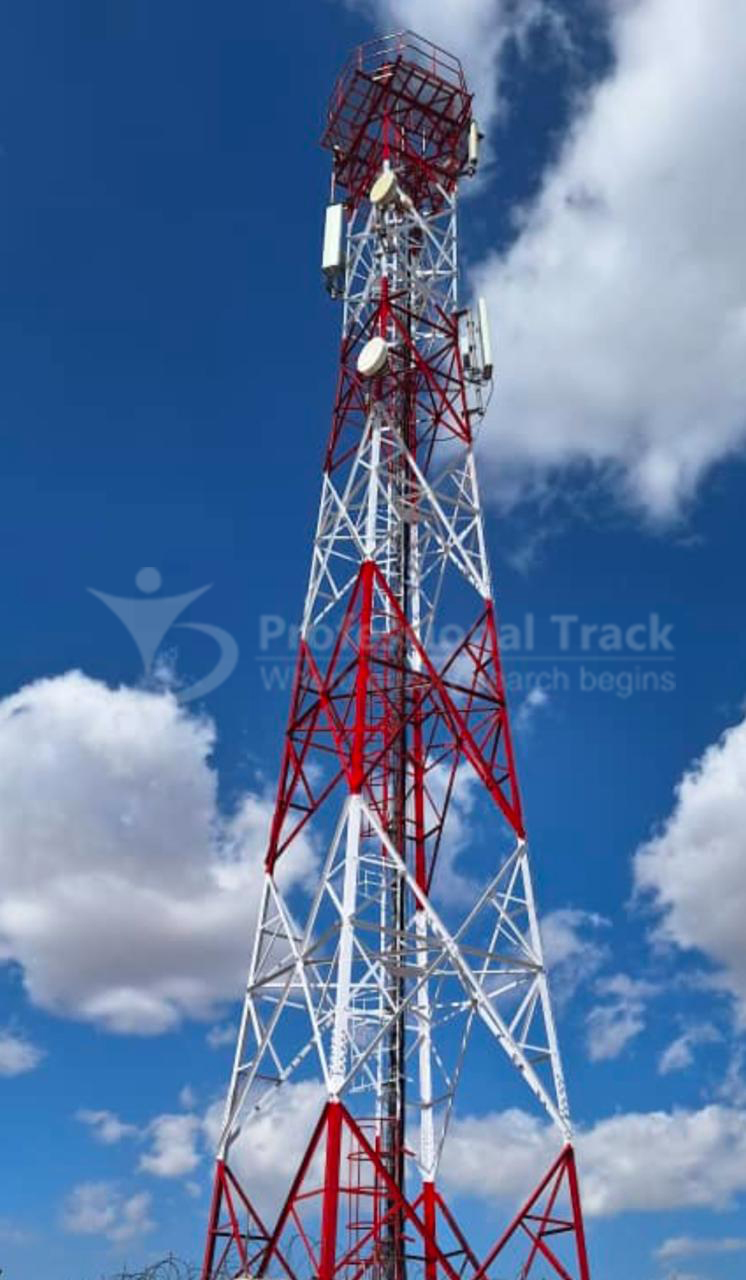
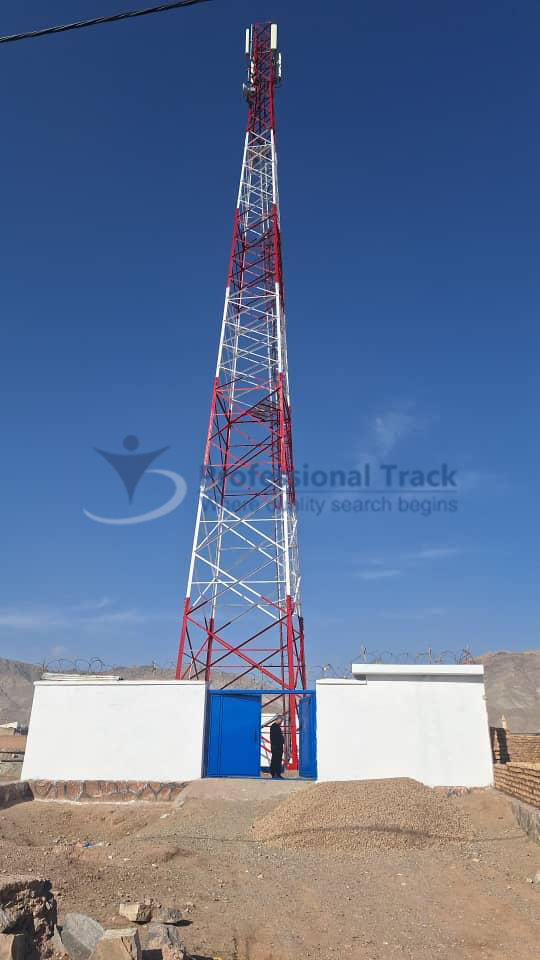
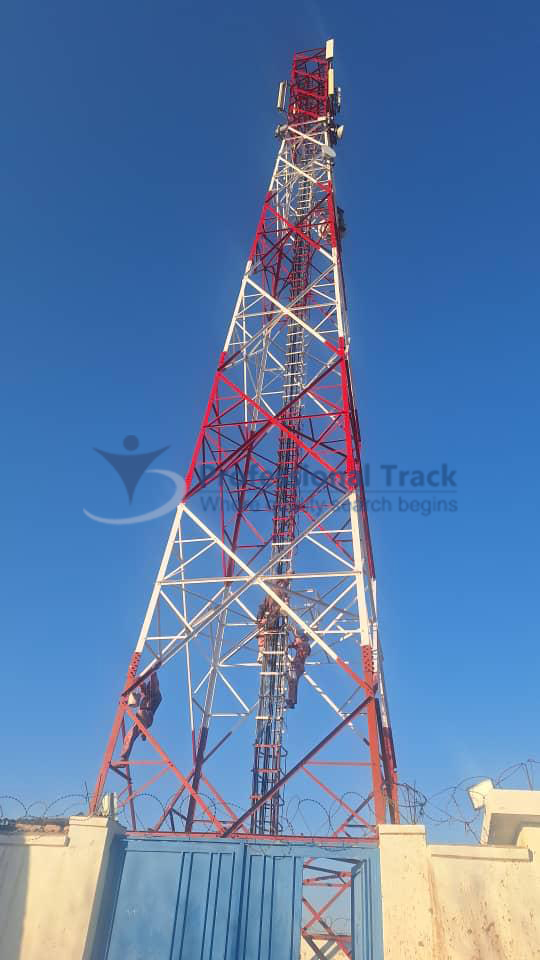
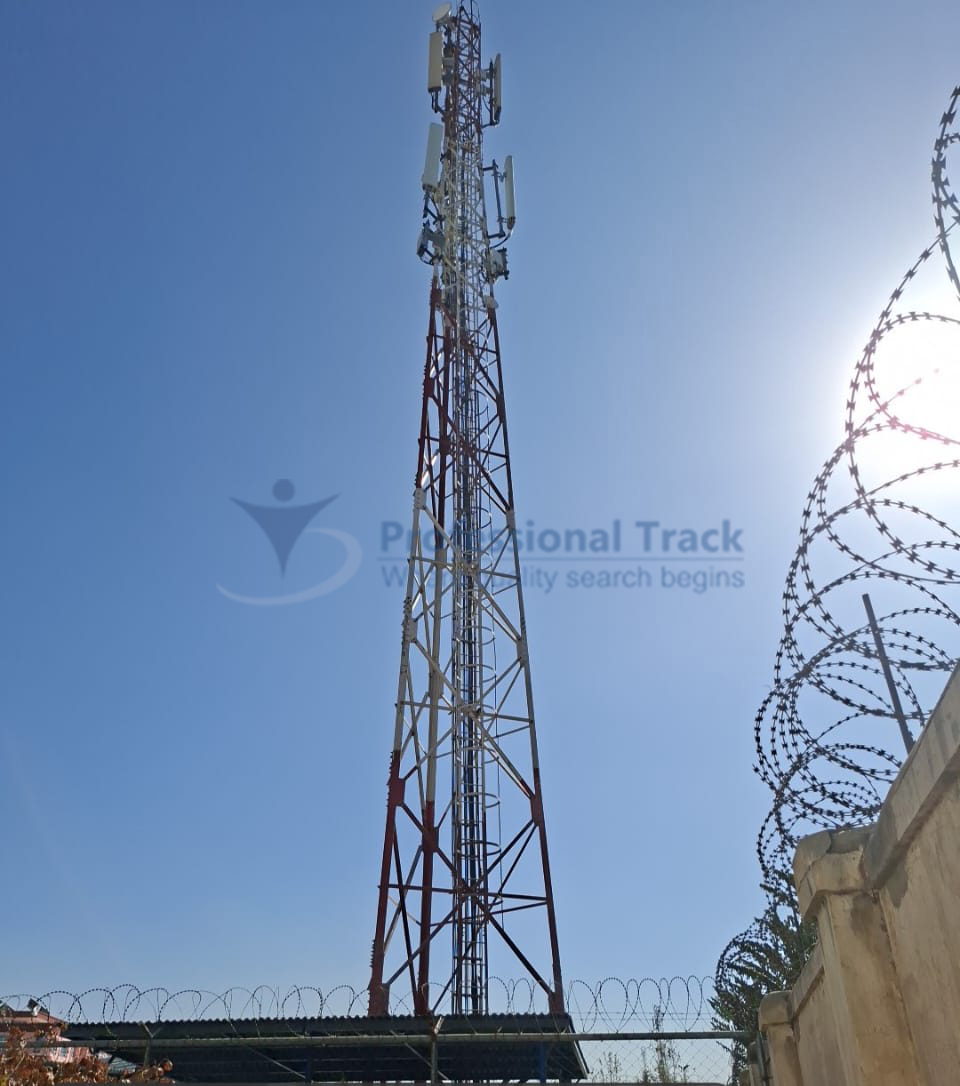
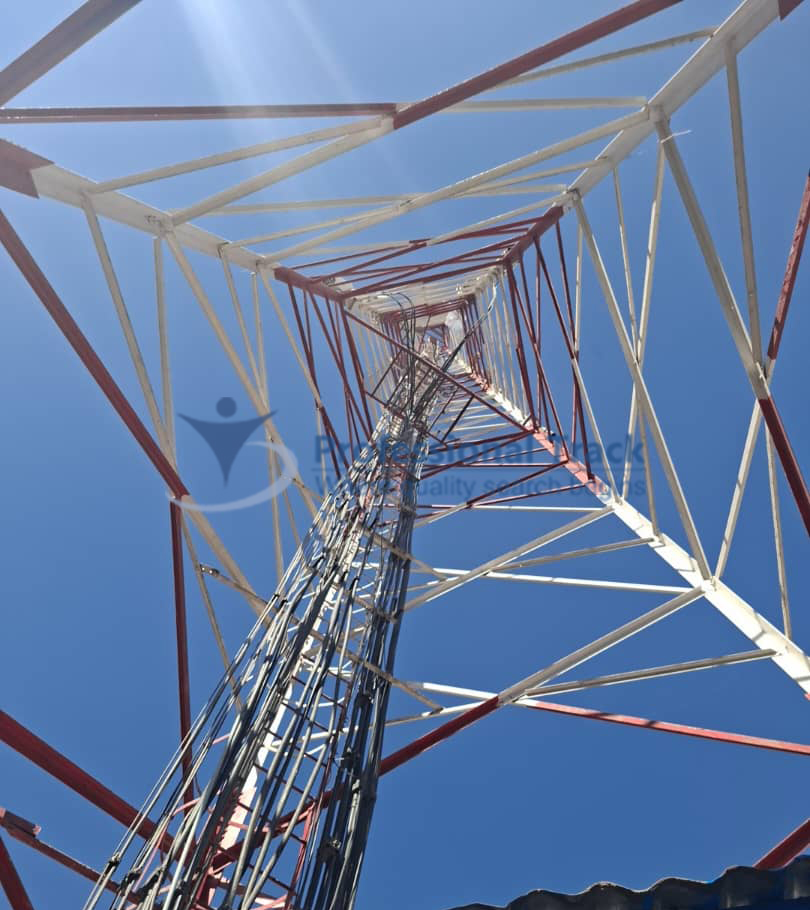
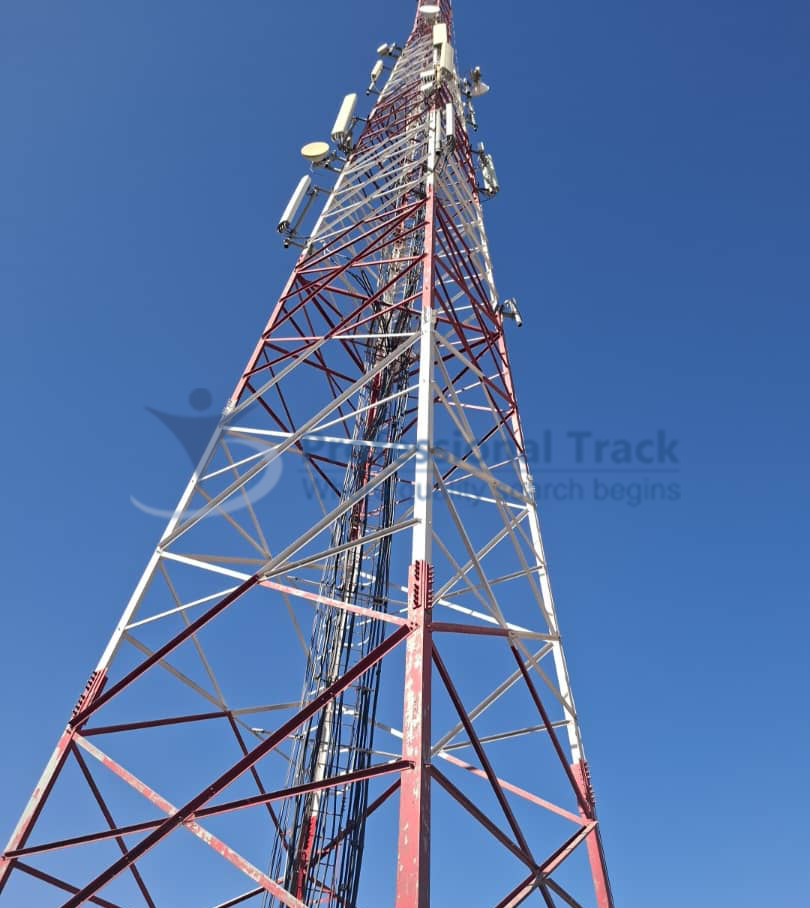
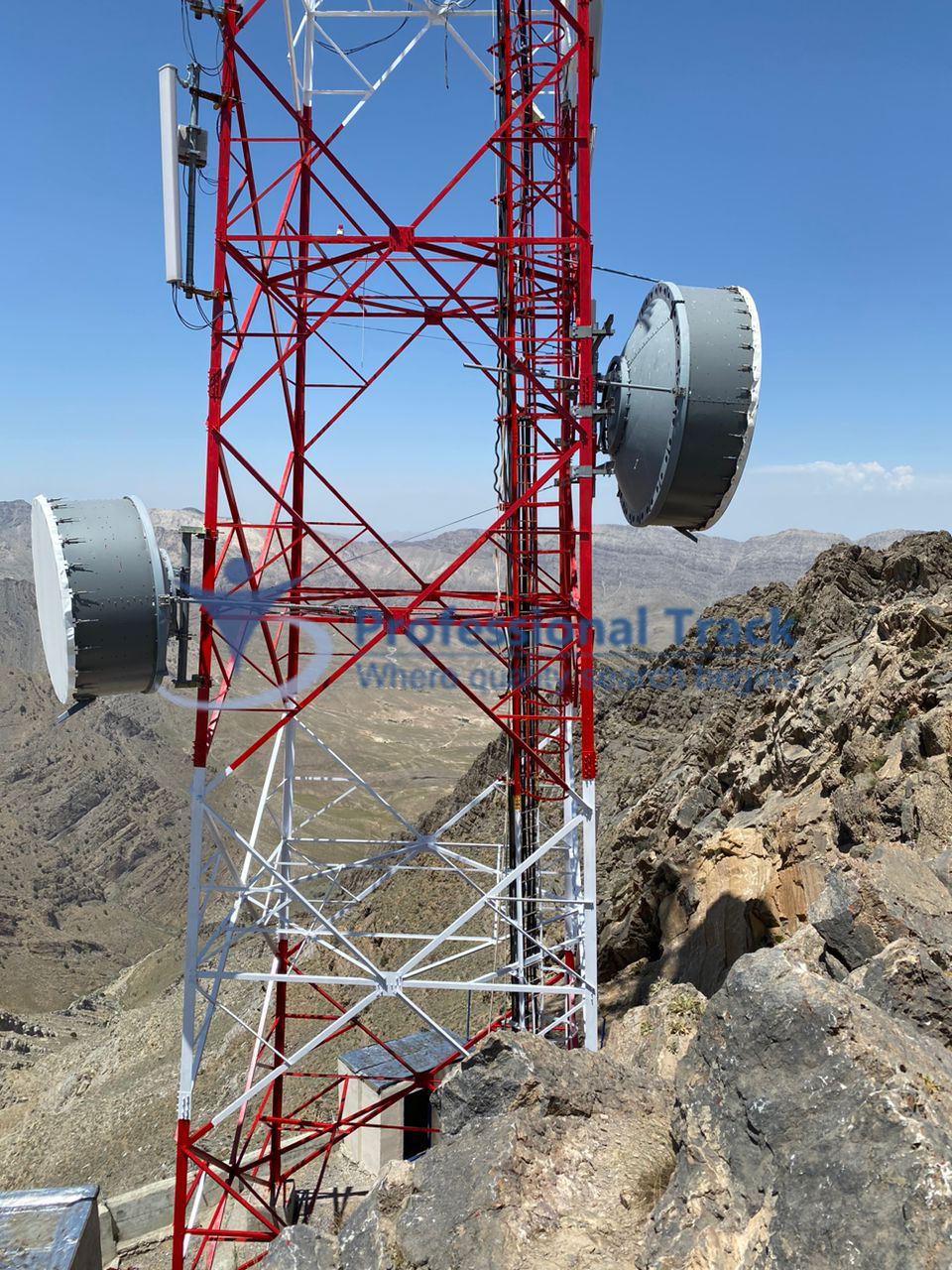
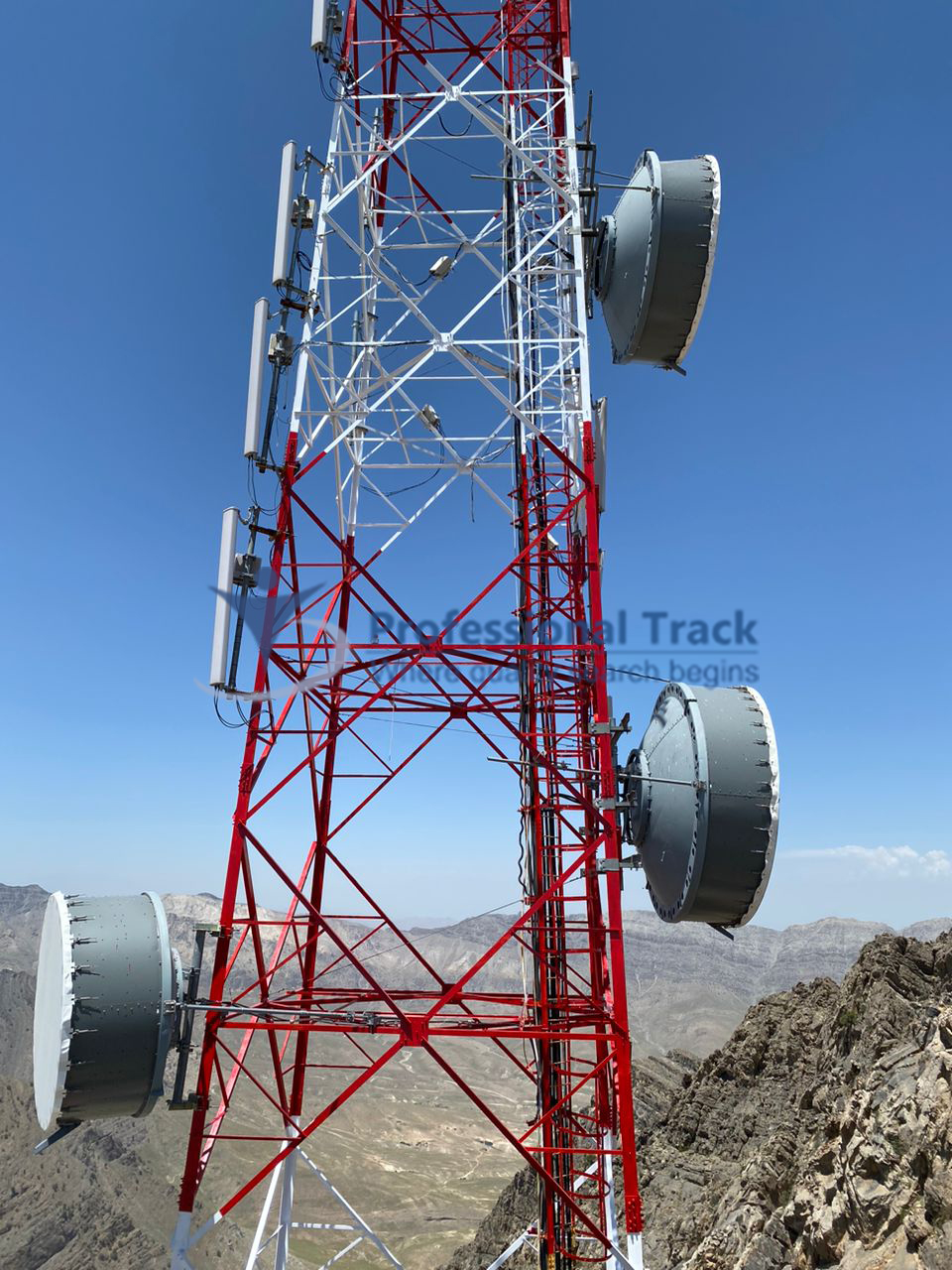
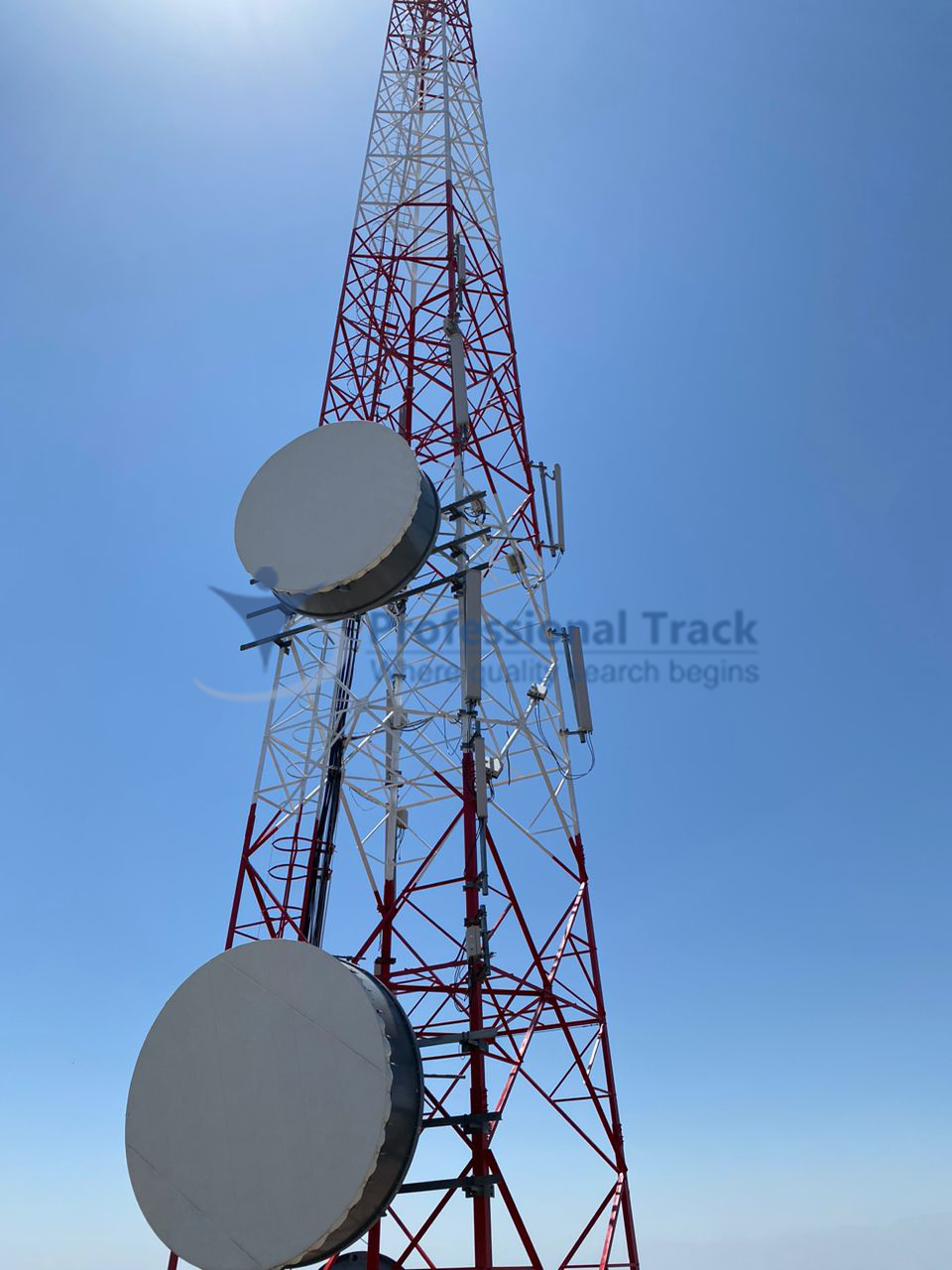
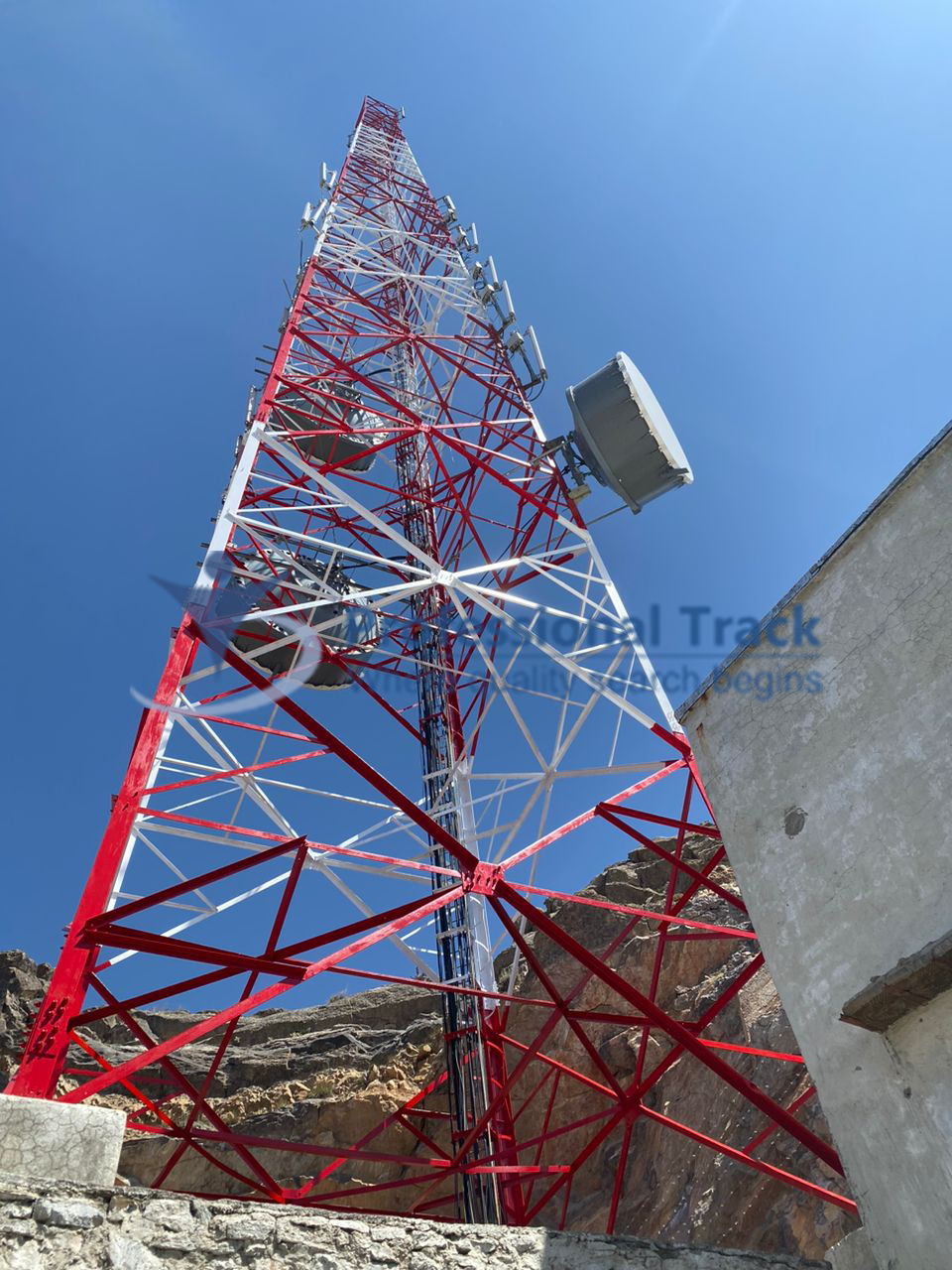
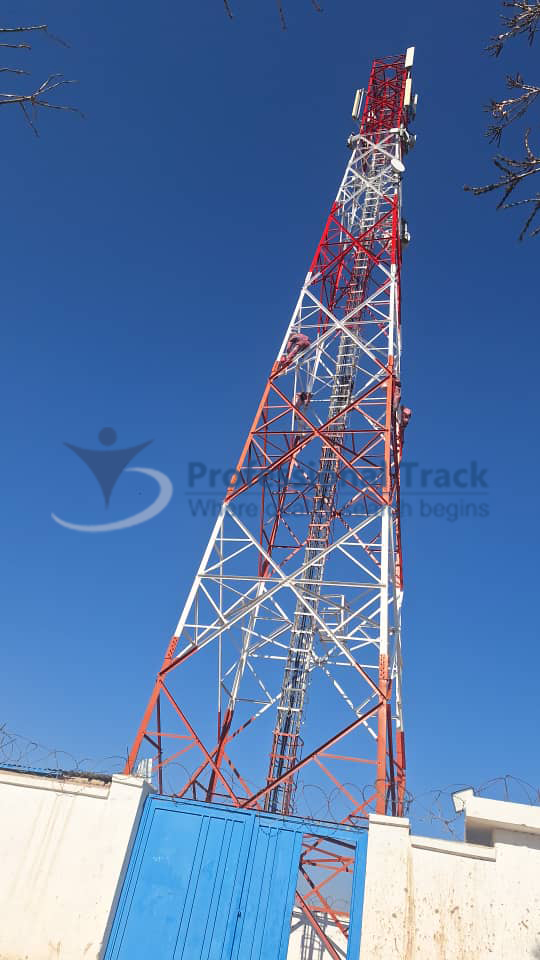
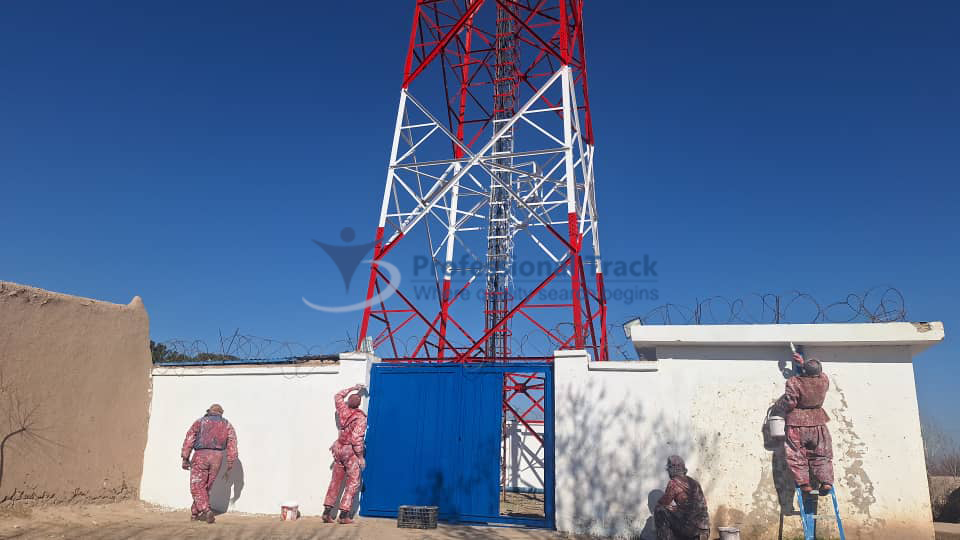
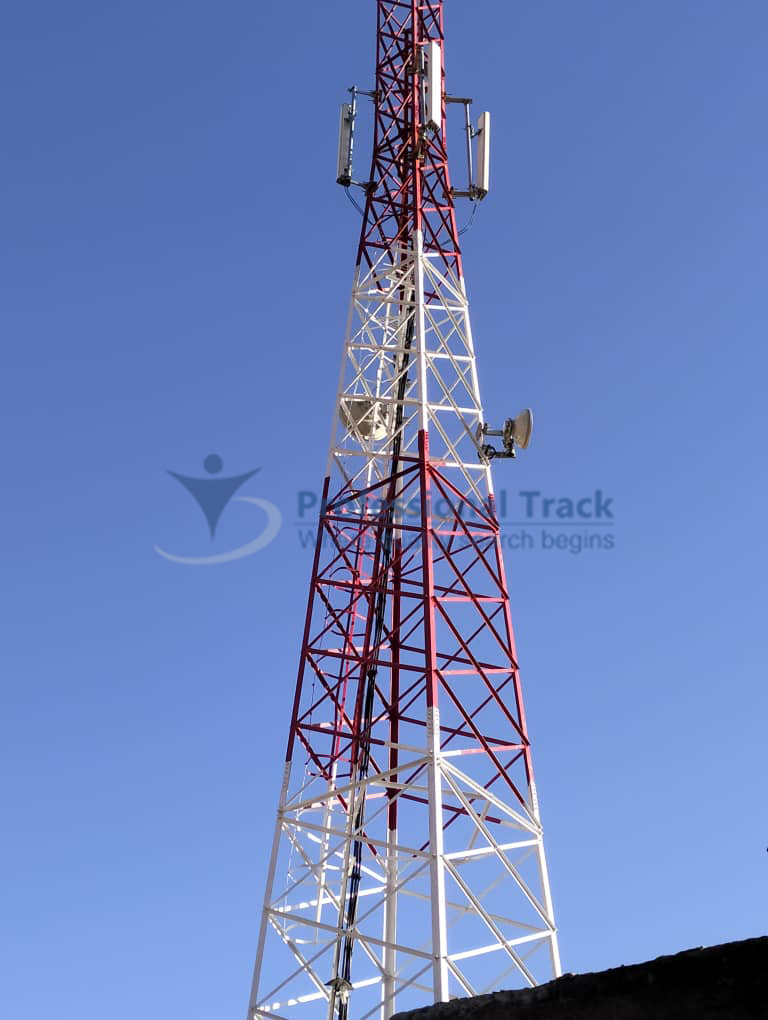
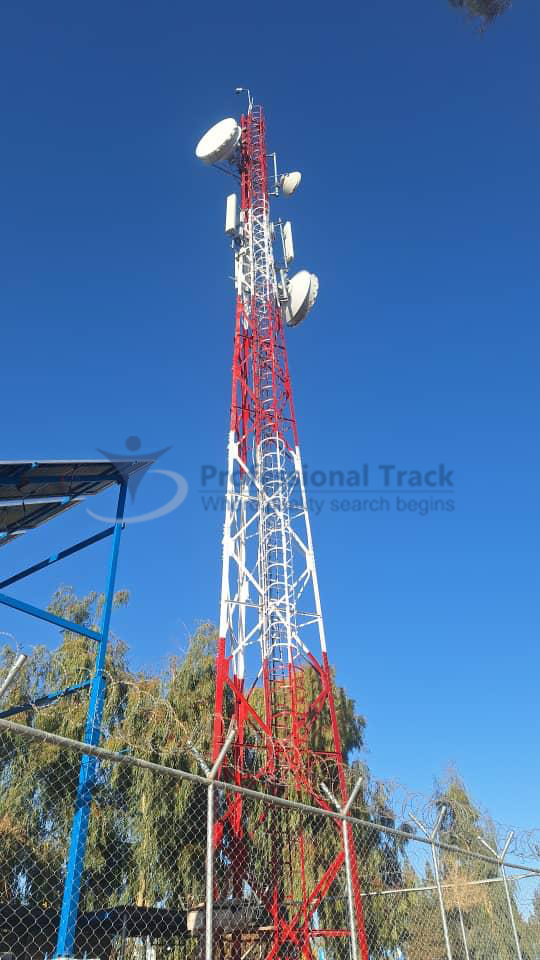
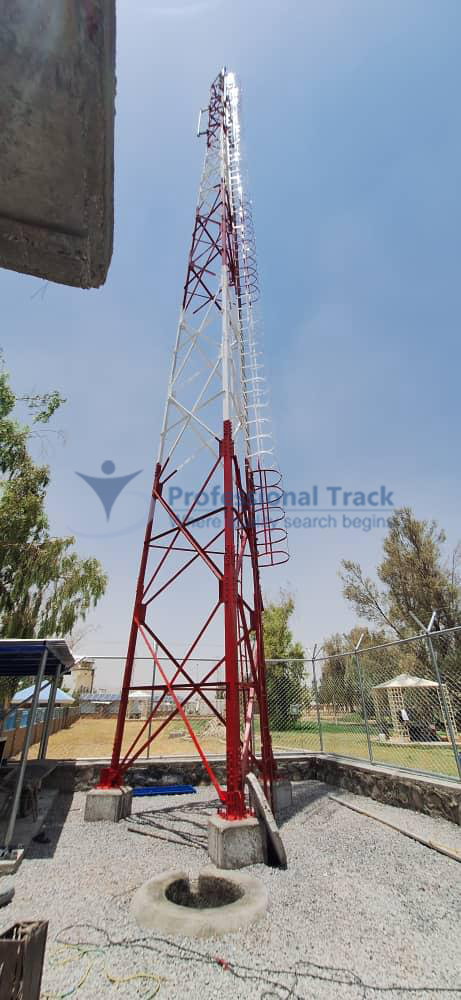
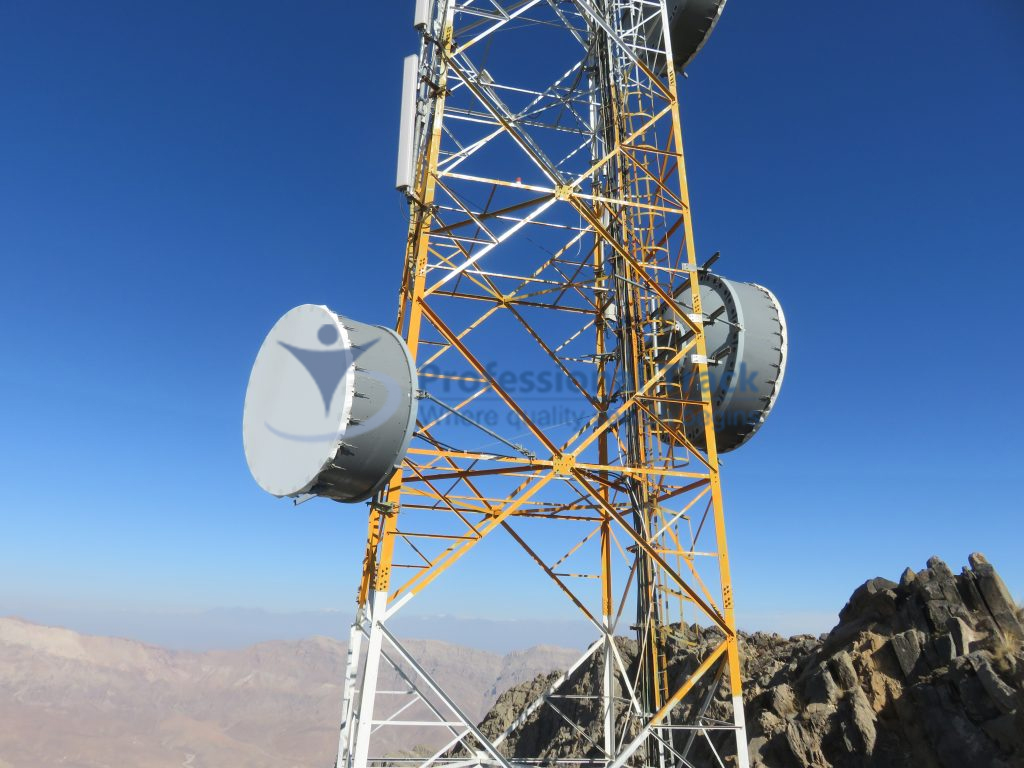
Steel tower structure
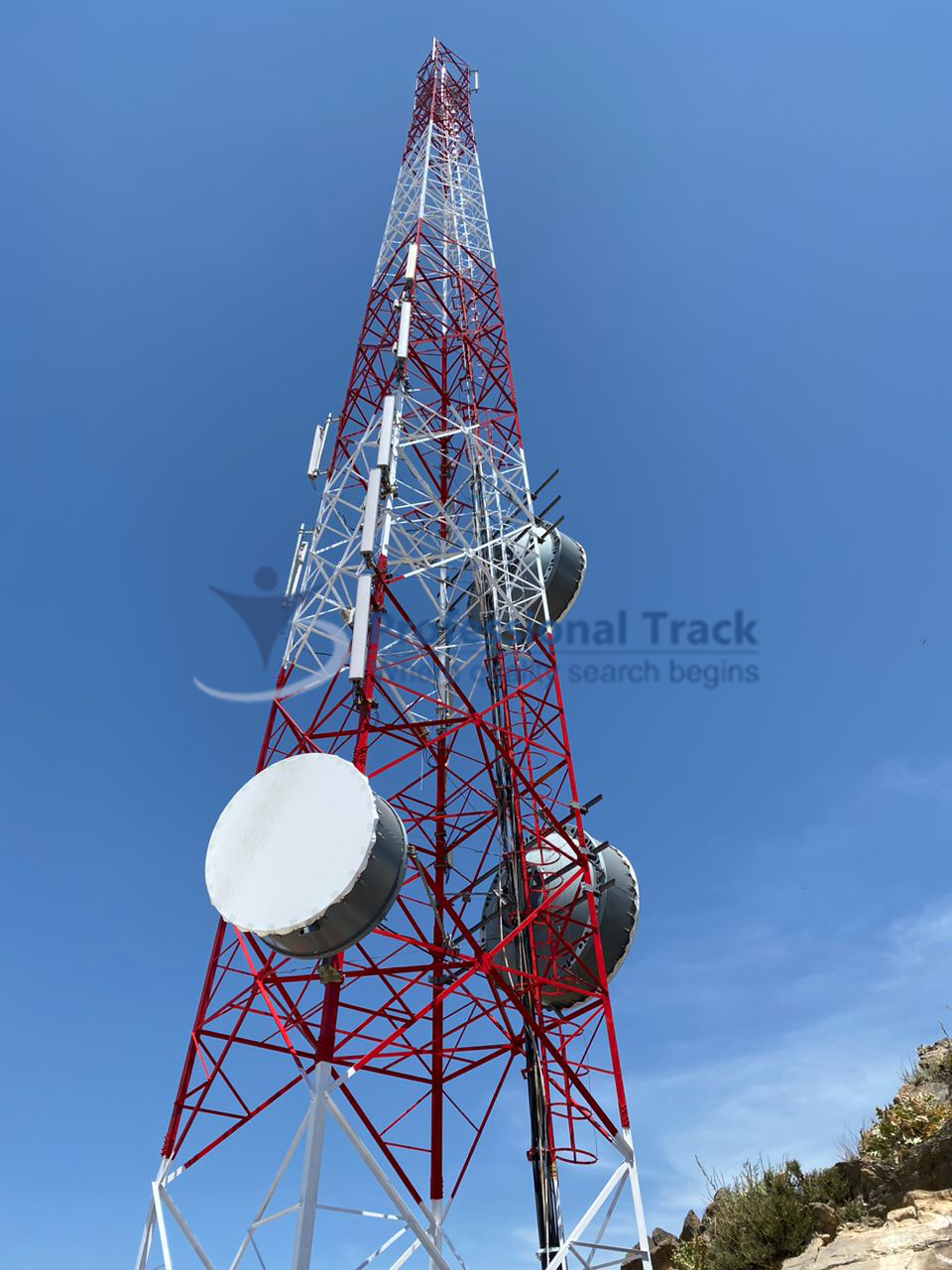
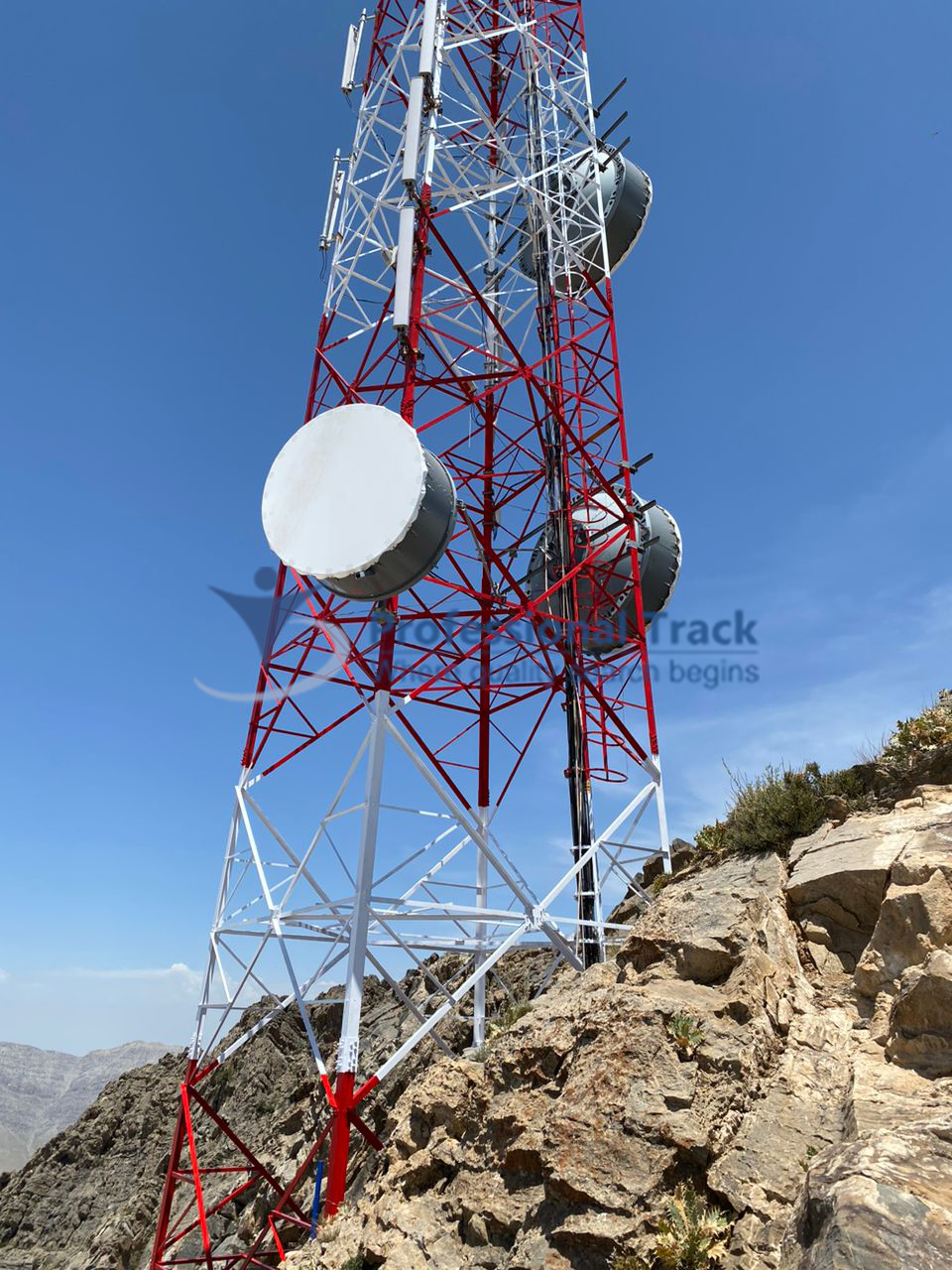
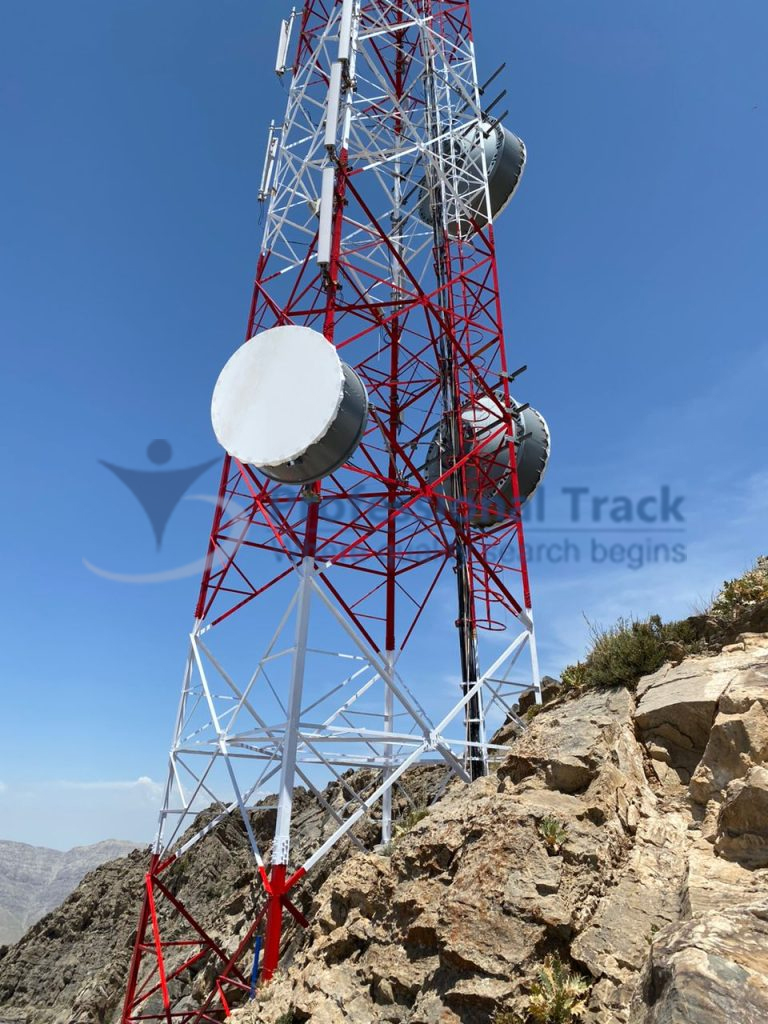
Backbone sites typically use heavy-duty steel lattice towers or guyed masts, designed to support:
- Large microwave dish antennas
- Multiple transmission links
- High wind and seismic loads
These towers are hot-dip galvanized to ensure long service life and corrosion resistance.
Microwave transmission antennas
- Large parabolic dish antennas
- Used for point-to-point high-capacity links
- Distances typically range from 20 km to 80 km or more
- Provide redundancy where fiber is unavailable
Optical fiber backbone (OFC)
- Primary transmission medium
- Offers extremely high bandwidth and low latency
- Backbone sites act as fiber aggregation and regeneration nodes
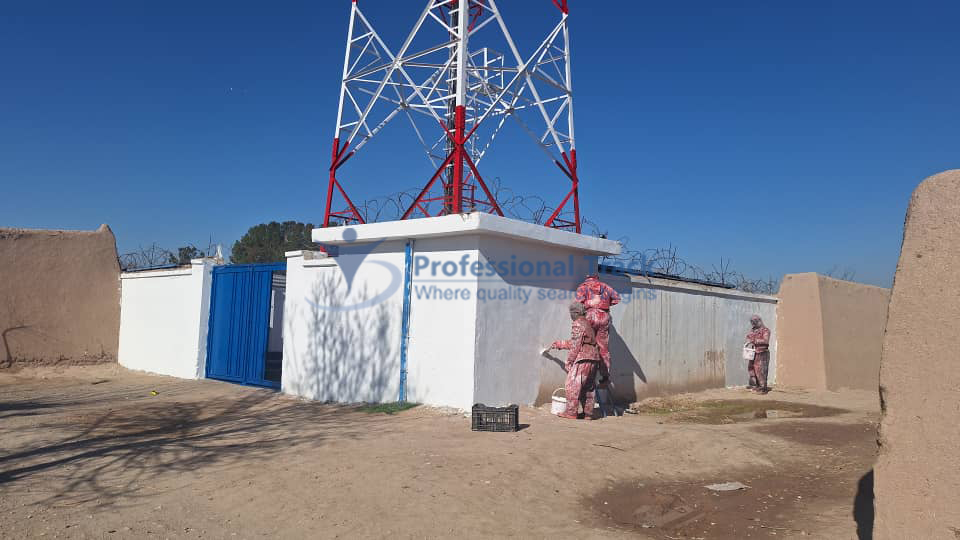
Equipment shelter / technical building
The shelter houses:
- Core routers and switches
- DWDM and optical transmission equipment
- Synchronization and monitoring systems
Shelters are climate-controlled and secured for 24/7 operation.
Power & backup systems
To achieve near-zero downtime, backbone sites include:
- Dual grid power supply
- High-capacity battery banks
- Diesel generator backup
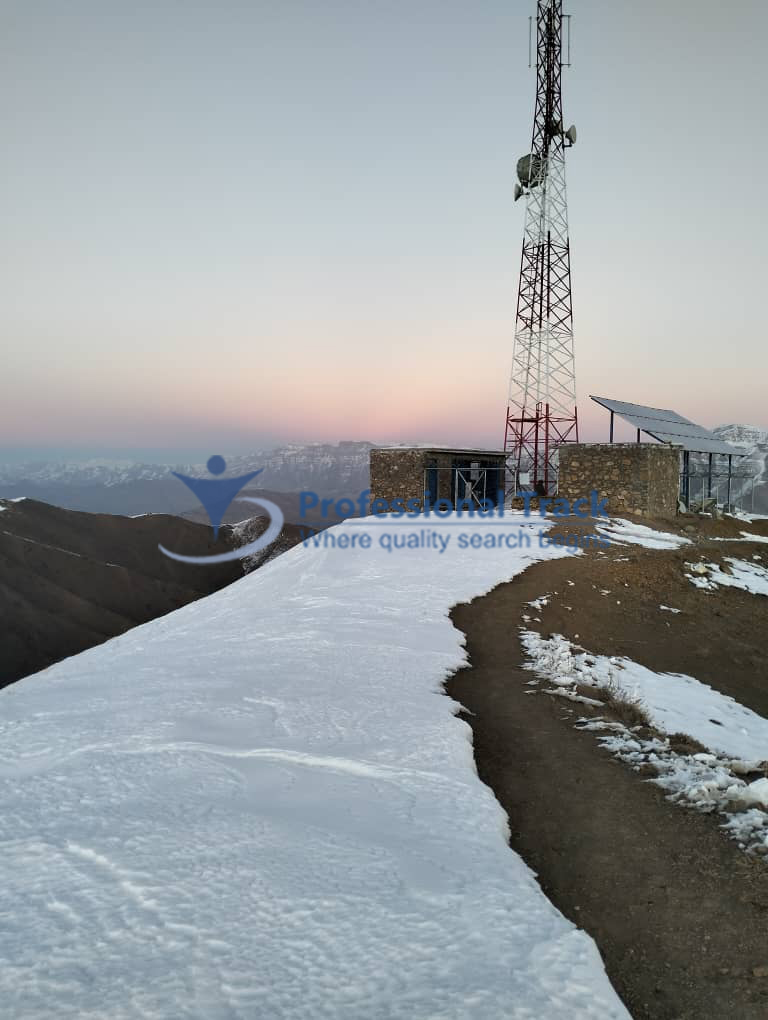
- Solar hybrid systems (in some locations)
Importance of Backbone Telecom Sites
- Enable high-speed mobile and internet services
- Support national and international connectivity
- Critical for banking, emergency services, defense, and cloud networks
- Form the foundation of modern digital infrastructure